


Protecting Yourself from Fraud
Fraud rarely begins with something dramatic. Often, it starts small: a text that looks like it came from your financial institution, a call from someone claiming there's an issue with your account, or an email asking you to verify payment or confirm a password reset.
A scammer’s goal isn’t always to immediately steal money. Sometimes the goal is just to get one piece of information, one click, or one moment of trust and build from there. That is what makes fraud prevention tricky. New versions of scams appear constantly, and the details change all the time. There’s no combination of precautions that makes you immune to fraud, but what matters most is building habits that make you a harder target.
Consider Freezing Your Credit
One of the strongest steps you can take to stop fraud in its tracks is to freeze your credit. You can freeze your credit for free with each of the three major bureaus: Equifax, Experian, and TransUnion.
A credit freeze restricts access to your credit file, which can make it much harder for someone to open a new account in your name. You can temporarily lift the freeze when you legitimately need to apply for credit. It’s not the right move for every situation, but it can be one of the most effective tools available when warranted.
Secure Your Accounts and Devices
Another weakness scammers will exploit is repurposing passwords. People often use the same password, or a variation of it, across multiple accounts, which creates a chain reaction of security issues. Once an account is compromised in a data breach, those same credentials are often tested elsewhere.
A password manager can help break that pattern by creating and storing strong, unique passwords for each of your accounts. So instead of trying to remember dozens of complicated logins, you only need to protect one strong master password. Many browsers also have built-in password managers. But remember, when using password managers, they’re only as secure as your login. That’s where two-factor authentication comes in.
Two-Factor Authentication
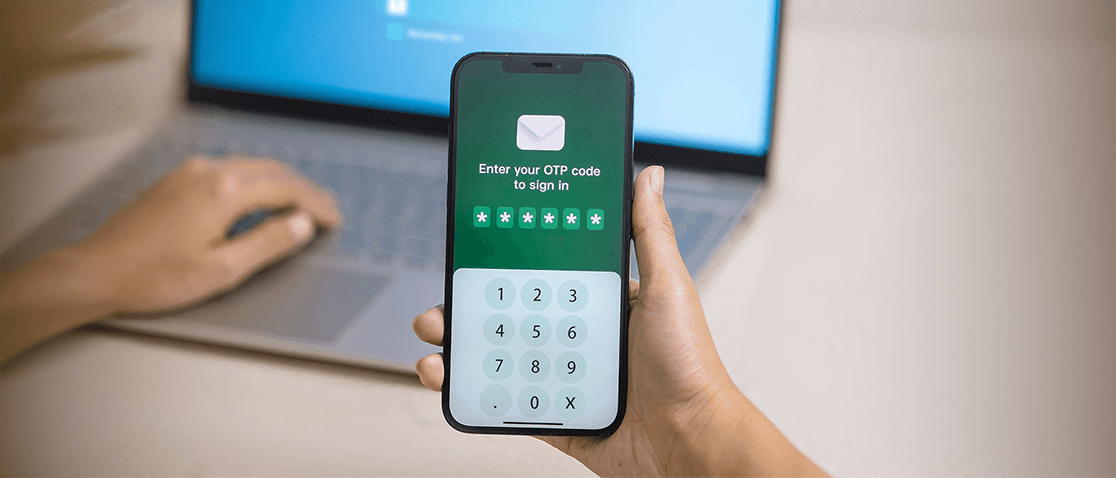
Two-factor authentication, or multi-factor authentication, can provide an extra layer of protection. If someone gets your password, that extra step can make it much harder for them to access the account.
That second factor is usually a code texted to your phone or generated by an authentication app in real time. Authentication apps are often considered stronger because text messages can sometimes be intercepted through scams like SIM swapping, where a criminal tricks a mobile carrier into moving your number to a different device.
Two-factor authentication isn’t foolproof, but it significantly raises the level of effort required to break into an account.
Update Your Devices
Keeping your devices and software up to date can often fix known vulnerabilities that attackers are already trying to exploit. Delaying updates can leave those openings exposed longer than necessary. Updates are an important part of fraud defense. To make updates easier, many devices have an “auto-update” setting, so consider enabling it if available.
Monitor Your Accounts
Prevention also includes noticing problems early on. Reviewing account activity, consistently reading statements, and checking your credit reports regularly can help you catch fraud before it spreads.
Turning on transaction or card alerts can give you real-time notices for purchases, transfers, or login activity to help you spot problems faster. Some institutions also let you temporarily lock a card in their app, which can be useful if something seems off.
If you still use paper checks, send them carefully and review cleared checks on your statements. Mail theft and check washing are still real problems.
Unsolicited Requests
Fraud prevention also depends on how you react to unexpected contact. If someone contacts you first and the conversation quickly turns to money, sensitive information, or urgent action, that is the moment to slow down.
Legitimate institutions generally don’t ask people to verify personal information or move money through unexpected calls or texts. If a text, email, call, or social media message involves money, account access, personal information, or urgency, take a breath before responding. Don’t assume the message is real just because it looks real. Open your banking app directly, type the website yourself, and call the number you already have. The more you separate verification from the message itself, the safer you are.
Limit Social Media Sharing
Another overlooked prevention tip is limiting what you share publicly. Social media makes it easy to post details that feel harmless in the moment but can be used as identifiable information to access your accounts or answer common security questions.
A scammer doesn't always need one big secret. Sometimes, they build a convincing story from small fragments collected over time. The less personal details you share, the harder it may be for someone to impersonate you or guess the information needed to verify your identity.
The Takeaway
None of this is to say you must live in constant fear or suspicion. The goal is to build a few reliable habits so you’re less likely to be caught off guard. You don’t need to be a fraud prevention expert to protect yourself. You just need a few strong habits that will help you slow down, verify, and make it harder for a scammer to turn one moment of confusion into real damage.